
This Knee Procedure Changed Everything for a 74-Year-Old Gardner
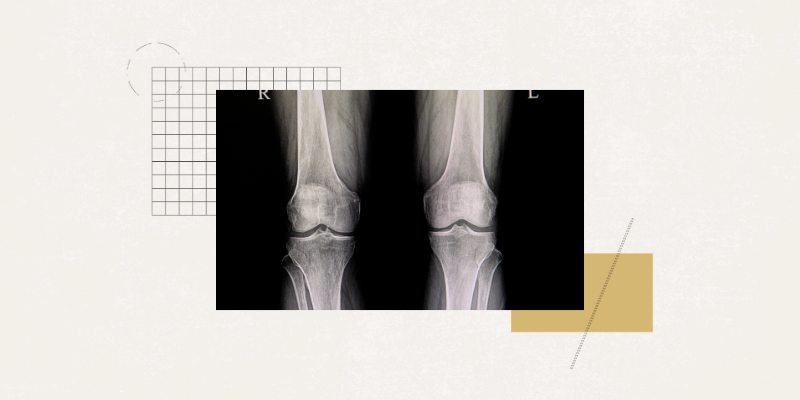 |
| Illustration: news.cuanschutz.edu |
The Invisible Middle Ground Nobody Talks About
Knee pain has this nasty way of sneaking up on you. One day you're fine, the next you're wincing every time you stand up from the couch. Cynthia Schraf-Fletcher knows this reality all too well. At 74, she'd already been through the wringer with a total knee replacement on her left knee. The recovery was brutal. Complications piled up. So when her right knee started acting up, she wasn't exactly eager to sign up for round two of surgical agony. But here's where the story takes an unexpected turn. She found something different. Something that sits in this strange medical no-man's-land between popping ibuprofen and going under the knife for a full joint replacement. The procedure is called genicular artery embolization, or GAE for short. And for Schraf-Fletcher, the results were what she calls "remarkably" successful. Think about that for a second. A procedure that actually worked as well as a total knee replacement, without any of the nightmare recovery baggage. She's back to gardening. Riding her stationary bike. Doing all the things that make life worth living. Nearly a year later, she's still pain-free. That's not nothing. That's actually pretty extraordinary when you consider the alternatives most people face.
The Gap In Treatment Nobody Wanted To Address
Here's the dirty little secret about knee osteoarthritis treatment. For the longest time, doctors had this weird binary approach to fixing knee problems. On one end, you've got conservative stuff. Medications. Physical therapy. Maybe a steroid injection if you're lucky. On the complete opposite end, you've got total knee replacement. Major surgery. Metal and plastic parts. Months of rehabilitation. There was nothing in between. You either dealt with the pain or you went full cyborg with a new joint. Dr. Leigh Casadaban, a vascular interventional radiologist at the University of Colorado Anschutz School of Medicine, puts it pretty bluntly. GAE fills that empty space for people who've tried everything else but aren't ready to commit to major surgery. It's minimally invasive. Outpatient. You walk in, you walk out the same day. The whole thing takes maybe one to two hours under conscious sedation. No getting knocked out completely. No sawing through bone. No metal hardware. The way it works is actually kind of fascinating in a weird science-y way. The team makes a tiny incision in the crease of your leg. Then they thread this microscopic catheter through your femoral artery. X-ray imaging guides them to the genicular arteries around your knee. Once they're in position, they release these tiny beads that block blood flow to the abnormal vessels causing all the inflammation and pain. Basically, they're cutting off the supply line to the pain factory in your knee. Starve the inflammation, kill the pain. Simple concept. Elegant execution.
Right about now you're probably wondering if this actually works or if it's just another medical gimmick destined to collect dust in the graveyard of failed treatments. The numbers tell a compelling story. About 70% of patients see what doctors call "phenomenal results." Pain scores get cut in half. Sometimes more. A few lucky souls end up with zero pain after the procedure. Zero. From a single outpatient visit. For people who've struggled for years trying every pill and injection under the sun, that kind of relief feels like winning the lottery without buying a ticket. The procedure isn't brand new, either. It started in Japan just over a decade ago. Since then, it's been spreading across the globe like a quiet revolution. The FDA started paying attention too, granting "breakthrough device status" to multiple GAE devices in the U.S. since 2021. That's not just bureaucratic rubber-stamping. That designation means the technology shows real promise for addressing unmet medical needs. The kind of thing that makes regulators sit up and take notice.
Who This Actually Helps (And Who Should Wait)
Not so fast, though. This isn't a magic bullet for everyone with creaky knees. The best candidates are people dealing with mild to moderate osteoarthritis. If you're already bone-on-bone with severe joint deterioration, GAE probably won't give you the long-lasting results you're hoping for. The procedure works by targeting inflammation, not rebuilding cartilage. You need some joint integrity left for this to make sense. Schraf-Fletcher fit the profile perfectly. She'd already seen what a total knee replacement entailed. The complications from her first surgery left her gun-shy about doing it again. GAE offered her a third option. A middle path. And it delivered exactly what she needed. Pain relief that rivaled her surgical outcome without any of the surgical baggage. She's thrilled. Her gardening is back. Her stationary bike isn't collecting dust anymore. Life looks completely different when you're not constantly managing pain in the background of every single activity.
The durability question is huge here. Nobody wants a temporary fix that wears off in six months, leaving you right back where you started. The data coming out of Japan is encouraging on this front. Four-year follow-up studies show that pain relief from a single GAE procedure can persist for the entire observation period. In the U.S., we've got solid two-year data showing similar patterns. If you respond well to the treatment, the benefits stick around. The theory is that blocking those abnormal blood vessels actually modifies something fundamental in the joint. Not just masking symptoms. Potentially changing the underlying disease process. Dr. Casadaban isn't resting on these early wins either. She's leading clinical trials at CU Anschutz to dig deeper into exactly how this thing works. One study is examining changes in knee fluid composition after GAE. Another is testing a new temporary treatment device called Nexsphere-F that blocks small blood vessels potentially driving inflammation and pain. The science is evolving. The understanding is deepening. This isn't a one-and-done story. It's an ongoing investigation into a genuinely promising approach.
What Recovery Actually Looks Like
Let's talk logistics for a minute. Because the recovery profile of this procedure is honestly kind of ridiculous compared to the alternative. You come in. You get the procedure done under conscious sedation, meaning you're awake but comfortable. The medical team watches you for a few hours afterward to make sure everything looks good. Then you go home. Same day. With instructions to take it easy for a few days. That's it. No overnight hospital stay. No weeks of physical therapy before you can walk unassisted. No learning to bend your new mechanical joint. Compare that to total knee replacement. You're in the hospital for days. The recovery takes months. Physical therapy becomes your part-time job. There's a real risk of infection, blood clots, and all the other complications that come with major orthopedic surgery. For a lot of older adults, the recovery process itself is almost as daunting as the original knee problem. Some people put off surgery for years, living in pain, because they're terrified of what recovery will demand from them. GAE sidesteps all of that drama. It's not that the procedure is completely risk-free. Nothing in medicine ever is. But the risk profile is dramatically different. The intervention is smaller. The recovery is faster. The disruption to your life is minimal. For someone like Schraf-Fletcher, who already knew exactly what knee surgery recovery entailed, the choice was obvious. Why would you sign up for the hard road when there's an easier path available?
The expansion of this technology beyond knees is where things get really interesting. Right now, GAE is primarily used for knee osteoarthritis. But the underlying principle applies to other joints too. Frozen shoulder. Tennis elbow. Plantar fasciitis. All those nagging inflammatory conditions that make life miserable and don't always respond well to conservative treatment. The same approach of blocking abnormal blood vessels to reduce inflammation could potentially work across multiple body parts. We're looking at a platform technology, not just a single-application fix.
The Bigger Picture For Chronic Pain Sufferers
Osteoarthritis isn't some rare condition affecting a handful of unlucky souls. It's a degenerative joint disease that impacts millions of people every single year. It can hit basically any joint in your body. Knees. Hips. Hands. Shoulders. The pain compounds over time. Your world slowly shrinks as activities become harder. You stop doing the things you love because the cost is just too high. It's a quality-of-life thief that operates in slow motion. For decades, the treatment paradigm has been stuck in this rigid binary. Conservative management or surgical replacement. Nothing in between. Patients would cycle through pills and injections and physical therapy, getting progressively more desperate, until they finally broke down and scheduled the surgery they'd been dreading. GAE introduces a genuine alternative. A way to intervene before you reach the surgical cliff. A chance at meaningful pain relief without signing up for the major surgery package. The medical system hasn't always been great at offering these middle-ground solutions. There's money in surgery. There's money in ongoing pain management. A one-time outpatient procedure that actually works disrupts those economic incentives. But patients don't care about the business model. They care about getting their lives back. They care about being able to garden without wincing. About riding a bike without debating whether the pain is worth the ride. About feeling like themselves again.
Schraf-Fletcher's story matters because it's a real human being talking about real results. Not a clinical trial abstract. Not a pharmaceutical ad with the fast-talking disclaimer at the end. A 74-year-old woman who tried the thing and came away saying she couldn't be more pleased. That kind of testimony carries weight precisely because it's not filtered through marketing language or statistical interpretation. It's raw. It's honest. It's the kind of story that makes other people in similar situations sit up and ask questions. The future of GAE and procedures like it will depend on ongoing research and broader adoption. More doctors need to know this option exists. More patients need to understand there's something between ibuprofen and a new knee. Insurance coverage needs to catch up. Training programs need to incorporate these techniques. But the foundation is there. A procedure that works. Data that supports it. Patients who benefit. Sometimes that's all you need to start changing the conversation around chronic pain treatment.
Tidak ada komentar